Rubber molding forms elastomer materials into finished components by applying heat and pressure inside sealed molds. The type of material chosen affects how the rubber flows, fills the cavity, and cures into its final shape. Natural and synthetic elastomers are used; the type used depends on the forming process and demands of the application. Here are the key considerations for selecting rubber molding materials:
Polymer Selection
Rubber molding materials are flexible and strong‚ and this makes them ideal for many specialty applications․ Molded parts made from elastomers like silicone‚ ethylene-propylene-diene monomer (EPDM)‚ nitrile‚ and neoprene‚ are often used in high mechanical stress and harsh environments․ Nitrile rubber is relatively resistant to oils and fuels‚ making it a durable material․
Performance requirements determine material choice; each elastomer reacts differently to heat, fluids, and outdoor exposure. EPDM is well-suited for products exposed to ozone and temperature changes, making it a preferred option for outdoor sealing systems. In applications that require both chemical resistance and durability, compounds like Viton may be selected for their ability to withstand extreme operating conditions.
Mechanical properties affect material selection, as molded parts must withstand loads and compression during use. Characteristics such as tensile strength, elongation, and hardness influence how an elastomer behaves under stress, and these properties vary across different materials. Engineers evaluate these aspects in conjunction with environmental exposure to make sure that the material maintains its stability throughout its service life.
Compound Formulation
Rubber molding relies on prepared compounds made from base polymers used in forming processes. These compounds determine how rubber behaves inside a mold during shaping. Each rubber type reacts differently during forming, and that behavior affects flow into the cavity and the final shaped form after curing. The process applies heat and pressure to initiate curing, allowing the compound to set in the mold.
Material Processing
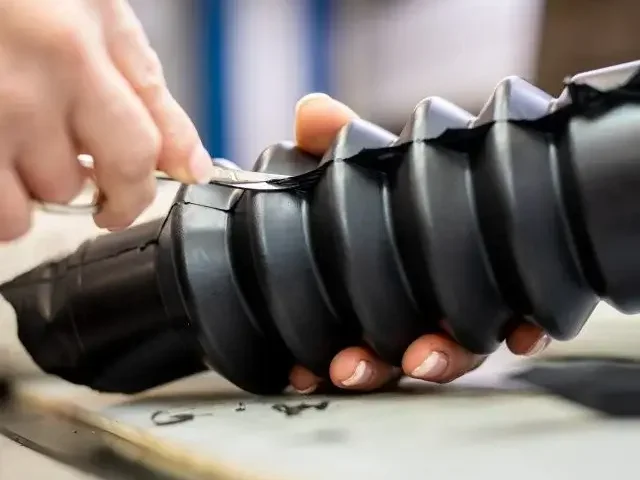
Temperature affects how rubber materials expand, contract, and maintain structure. In elastomer forming, the material must respond consistently during this stage because forming and curing occur under controlled conditions. Material choice determines how it behaves across different molding methods, including injection, compression, and transfer. Each method uses heat and pressure to guide the material into the mold cavity, and this requires predictable flow and forming behavior. After the curing period is complete‚ the engineer removes the part from the mold and trims it to the defined dimensions․
Rubber compounds may come into contact with oils, fuels, water, and cleaning agents; each medium affects material behavior differently. A professional team may use nitrile where petroleum exposure occurs, and EPDM for water and weather contact. Compatibility between the rubber compound and its surroundings determines whether the material maintains its structure after exposure. When interaction occurs at the molecular level, swelling or surface changes can alter the die geometry over time.
Buy Rubber Molding Materials
Rubber molding material selection depends on the available elastomers and the forming techniques used to shape them under heat and pressure. Each material reacts differently to compression, transfer, and injection molding, and this influences how the parts take shape in the mold. Selecting the right material helps you have reliable molded components. Contact a rubber molding company to schedule a consultation and find the right material for your components.
