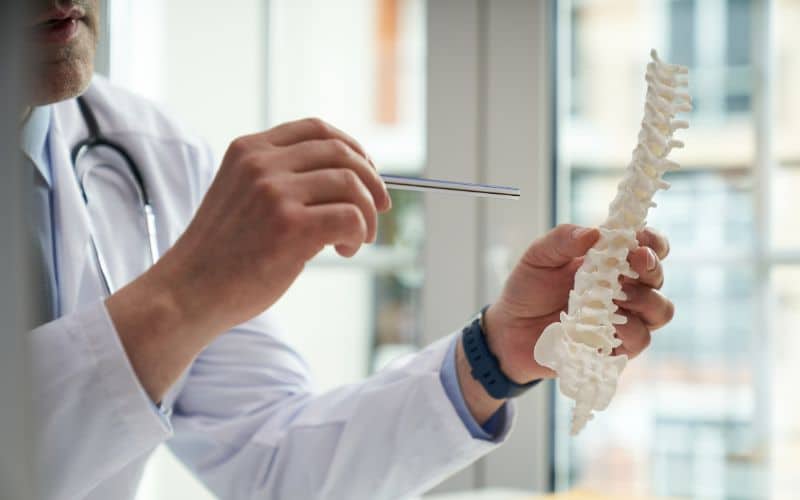
Chronic pain affects the ability to move and work, worsening the overall quality of life. A back doctor can help you address chronic pain and other muscle strains affecting your spine. Whether your pain stems from an injury or illness, visiting a doctor helps manage your symptoms. Here are the common conditions that can be treated by back doctors:
Herniated Discs
A herniated disc occurs when one of the cushions between the vertebrae shifts out of its normal position. This puts extra pressure on your spinal cord or nerves. Not only does this condition cause numbness, but it can also cause weakness in your arms or legs. Your doctor works with you to create a customized treatment plan that may include physical therapy, medication, or even surgery.
The goal of treatment for herniated discs is to reduce pain and pressure on the affected area. Depending on the severity of your condition, you may be recommended one or more treatments. Your back doctor will assess your individual case and determine the best course of action for you.
Spinal Stenosis
There are times when the space within the spinal canal becomes narrow and begins to press on the nerves in your spine. When this happens, it can cause pain, numbness, tingling, or weakness in various parts of your body, depending on where the affected nerves are located. Your spine also helps support your body’s weight and allows you to move in different directions.
Degenerative Disc Disease
A doctor may diagnose you with degenerative disc disease if you are experiencing pain or discomfort in your spine, based on their evaluation. This condition results from the gradual wear and tear of the discs between your vertebrae, which causes them to lose their elasticity. As a result, the space between each vertebra decreases, potentially leading to bone spurs and spinal stenosis.
Some common symptoms of degenerative disc disease include:
- Back or neck pain that worsens with movement
- Pain that radiates to other areas of the body, such as the arms, legs, or buttocks
- Numbness or tingling sensations in the limbs
- Muscle weakness in affected areas
Muscle Strains
If you are experiencing back or neck pain, it may also be caused by a muscle strain. Muscle strains occur when the muscles in your back or neck are pulled or torn due to overuse or sudden movements. This is most common during physical activities such as lifting heavy objects or participating in sports.
Visiting your doctor gives you an accurate diagnosis and a proper treatment plan for your muscle strain. Your doctor may suggest rest, ice packs, pain relievers, and physical therapy to help heal the affected muscles. To prevent future muscle strains in your back or neck, avoid overexerting yourself during physical activities. Regular stretching and strengthening exercises can also help keep your muscles strong and flexible.
Visit a Back Doctor
Scheduling regular check-ups with a back specialist can help you maintain good spinal health and prevent muscle strains. Your doctor can perform a physical exam and evaluate your medical history to identify any underlying issues that may contribute to muscle strains. Contact a back doctor if you experience chronic pain, intense discomfort, or have a history of spine-related injuries.
