Maintaining daily habits such as brushing and flossing between dental visits plays a key role in protecting the health of your teeth and gums. A dentist may also recommend using fluoride toothpaste and mouth rinses as part of your routine to help strengthen enamel and lower the risk of tooth decay. Here are a few ways to support your oral health when you’re in between dental visits:
Maintain Oral Care
Brushing your teeth regularly helps remove food debris, dental plaque, and acids produced by bacteria. These substances gradually erode enamel and contribute to tooth cavities. Use soft-bristle toothbrushes when brushing your teeth to limit gum or enamel abrasion. Use a toothpaste and mouth rinse that contains fluoride. Fluoride interacts with tooth enamel, helping to strengthen it and making it more resistant to acid produced by bacteria in the mouth.
Flossing helps to reach the places the toothbrush might miss by clearing food particles and plaque between your teeth and along your gum line. Flossing using a zig-zag motion allows the floss to follow the curve of each tooth. When you are flossing, be gentle as you move the floss back and forth. Dental professionals may recommend a particular type of floss for smaller crevices between teeth or for individuals with braces.
Recognize Problems Early
Before going in for routine dental check-ups and exams, it helps to recognize the signs of a problem beforehand. Monitor your dental health for changes such as tooth pain, sensitivity, gum swelling, redness, or bleeding. If you notice any of these issues with your teeth or gums, schedule an evaluation with your dentist. Early diagnosis and treatment help limit the progression of conditions, such as gum inflammation or oral cancer. Untreated gum problems may be associated with tooth loss. Tooth loss can leave spaces that encourage the remaining teeth to shift and may also contribute to changes in the jawbone near the missing teeth. Your oral care professional will examine your gums and provide treatments to support your teeth while helping prevent further complications, keeping your smile healthy and strong.
Schedule Regular Appointments
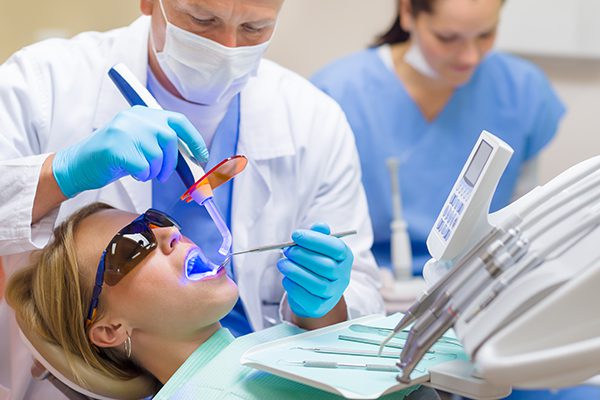
Routine visits allow dental professionals to identify oral issues at various stages. Your dental specialist may recommend procedures such as fillings or other restorative treatments based on their findings. They can also perform professional teeth cleaning to reduce plaque and tartar buildup. If they identify an issue with your teeth, they may use dental X-rays to view the area in more detail. This information helps them suggest treatment options, such as veneers or porcelain crowns, for damaged or stained teeth when appropriate.
Visit Your Dentist Today
Caring for your teeth properly will help prevent cavities and gum disease. Brushing and flossing remove plaque and debris that can cause cavities. Using fluoride toothpaste strengthens enamel, inhibits bacterial growth, and helps repair early decay before it progresses. Incorporating dietary choices that limit sugar and acidic foods may further protect enamel and support long-term oral health. Connect with a dentist today for more tips on keeping your teeth healthy.
